

 Turnkey Paver Patios
If you’re planning a new patio, the material you choose will decide how it looks, how long it lasts, and how much work it takes to keep looking good. At TurnKey Paver Patios, we walk New Orleans homeowners through this decision on nearly every patio project. In most parts of the country, that’s the whole conversation. In New Orleans, there’s a fourth question that matters just as much: will this material hold up to our heat, our humidity, and the heavy rain that shows up almost every summer afternoon?
That question doesn’t have a generic answer. A paver that performs well in a dry climate can behave very differently in Southeast Louisiana, where the ground stays damp, the air stays humid for months at a time, and afternoon storms can drop a lot of water fast. Choosing the right paver material here means weighing the same basics everyone weighs (appearance, durability, cost, upkeep) against how each material actually behaves in a Gulf Coast climate. That’s what this guide is for.
Understanding Your Paver Material Options with TurnKey Paver Patios
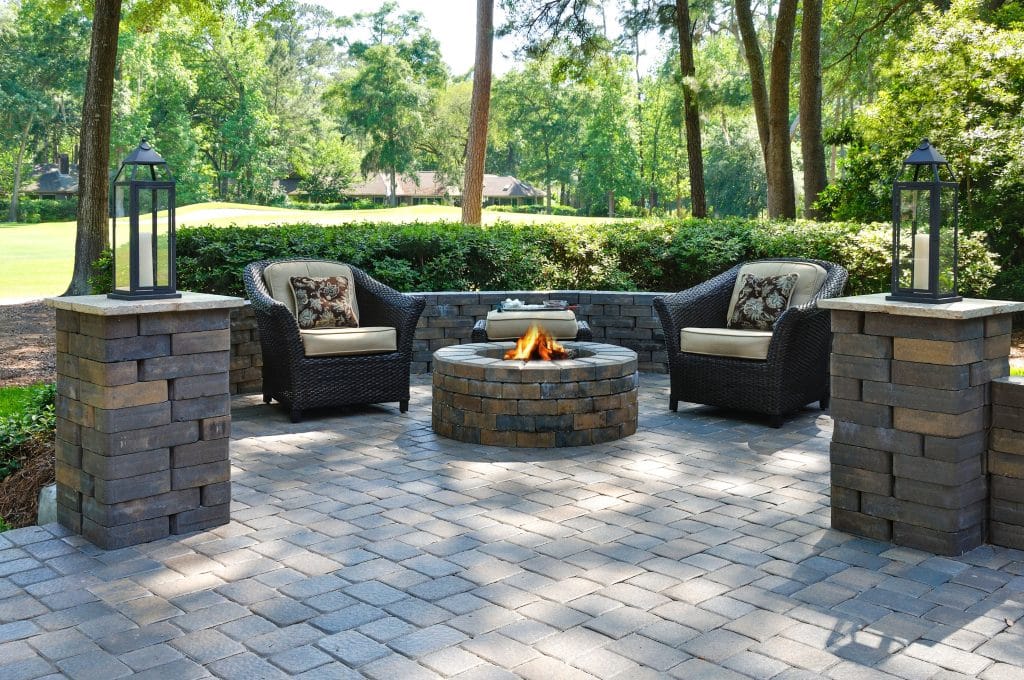
Most patios in the Greater New Orleans area are built from one of three materials: concrete, brick, or natural stone. Each has real strengths, and each comes with tradeoffs worth understanding before you commit.
- Concrete pavers. Affordable, versatile, and available in a wide range of colors, shapes, and finishes. They install quickly and hold up well to normal wear, though lower-grade concrete can crack or fade with years of sun exposure.
- Brick pavers. A classic, timeless look that works well with traditional New Orleans and Louisiana architecture. Brick is durable and ages gracefully, but it costs more upfront than concrete and can develop moss or algae in damp, shaded spots if it isn’t cleaned regularly.
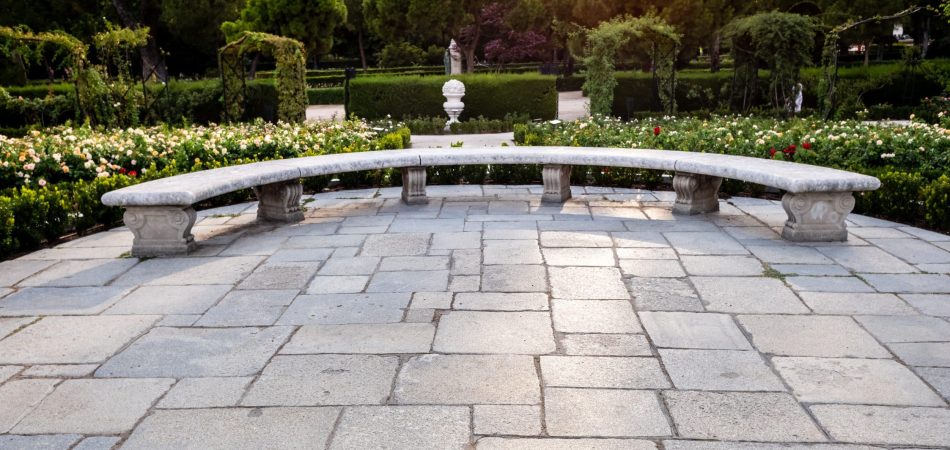
- Natural stone pavers. Materials like flagstone, travertine, or limestone offer a high-end, one-of-a-kind look because no two pieces are exactly alike. Stone is generally the most expensive option and can be more work to install evenly, and its porous surface needs more attention in a humid climate (more on that below).
What’s the best paver material for a patio? There isn’t one “best” material for every homeowner. It’s the one that fits your climate exposure, your maintenance appetite, and your budget. Concrete is the practical, budget-friendly choice. Brick suits homeowners who want a traditional look and don’t mind occasional cleaning. Natural stone fits homeowners who want a premium, custom look and are ready for a more consistent sealing routine in a climate this humid.
What’s the difference between concrete, brick, and natural stone pavers? Concrete is the most affordable and easiest to maintain, brick offers a classic, traditional look with moderate upkeep, and natural stone delivers the most premium, custom appearance but needs the most maintenance in a humid climate. Here’s the full breakdown:
| Material | Durability | Cost Tier | Maintenance | Best Fit for a Louisiana Climate |
|---|---|---|---|---|
| Concrete | Good; can crack or fade over time without sealing | Lowest | Low to moderate; occasional sealing | Solid all-around choice, holds up well to heat and rain |
| Brick | Very good; ages well | Mid-range | Moderate; needs periodic cleaning to prevent moss and algae | Good, but needs attention in shaded, damp areas |
| Natural Stone | Very good structurally, but porous | Highest | Higher; regular sealing recommended | Beautiful, but needs the most upkeep in humid conditions |
See how these materials come together in real projects on our patio paver installation page.
Factors to Consider When Choosing Paver Materials for a Louisiana Climate
The basics (looks, function, budget) still matter. But in this part of the country, climate and soil conditions deserve just as much weight in the decision.
Climate and Weather Response
National guides on choosing paver materials spend a lot of time warning about freeze-thaw cracking, where water gets into small cracks, freezes, expands, and breaks the material apart over repeated winters. That’s a real concern in colder states. Southeast Louisiana rarely sees a hard freeze, so it’s largely not a concern here.
What matters more on the Gulf Coast is heat and moisture. Long stretches of high heat and strong UV exposure can fade poorly sealed concrete or brick over time. Add in humidity that lingers most of the year and heavy seasonal rainfall, and you’ve got a climate that tests a paver’s ability to shed water and resist surface buildup, not its ability to survive a freeze.
Local Soil and Drainage Conditions
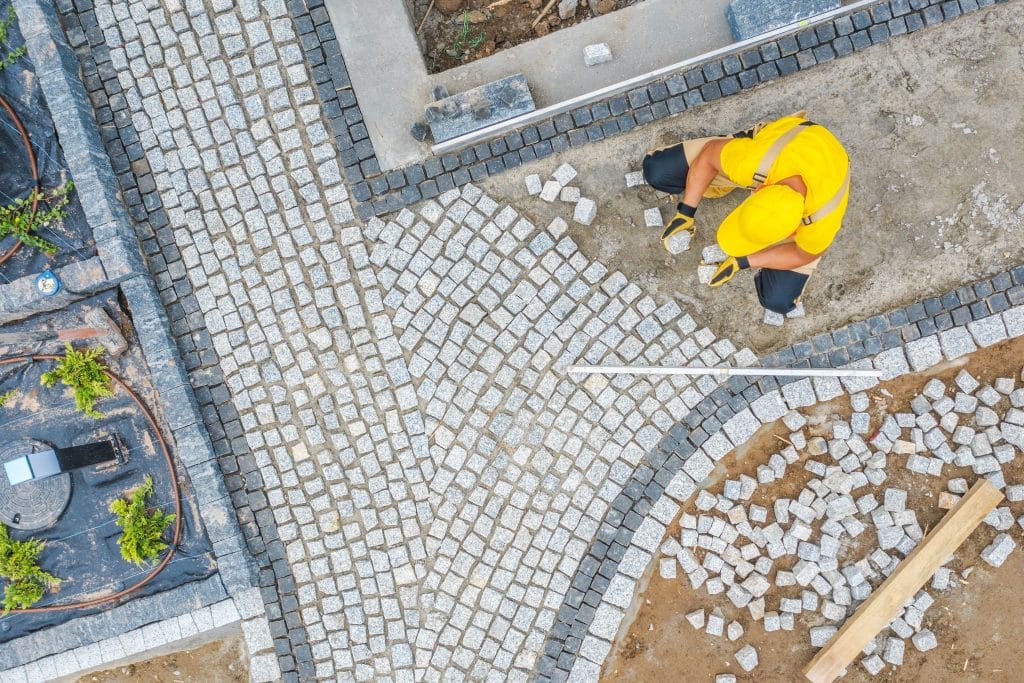
New Orleans area soil tends to be low-lying and slow-draining, which is a big part of why site preparation matters so much here. A patio installed on ground that hasn’t been properly graded and leveled can end up with standing water after a heavy storm, no matter how good the paver material is. The material only performs as well as the base it’s set on.
If your yard has drainage issues or uneven grading, address that before or during your patio project. Our land leveling services correct uneven terrain and improve drainage so your paver patio has a stable, well-draining foundation from day one.
Aesthetic Fit
Think about how the material will look against your home’s exterior, your landscaping, and your overall style. Concrete offers the most flexibility in color and shape. Brick brings a classic, traditional feel. Natural stone gives you a custom, upscale look that’s hard to replicate with manufactured materials.
Functionality
Consider how the space will actually be used. A patio that sees heavy foot traffic, furniture, or an outdoor kitchen setup needs a durable, slip-resistant surface. Softer or more uneven materials might not hold up as well in high-use areas.
Budget Insight
Concrete generally costs the least upfront, brick sits in the middle, and natural stone tends to be the most expensive. But upfront cost isn’t the whole picture. A cheaper material that needs frequent sealing, repair, or replacement can cost more over the life of the patio than a pricier material that holds up with less maintenance. Weigh installation cost against what the material will actually require over the next ten or twenty years.
Maintenance Needs in a Humid Climate
This is where Louisiana homeowners need to think differently than a generic guide would suggest. Porous materials, natural stone especially, are more prone to mold and algae growth here than in a drier climate, simply because there’s more moisture in the air and ground for more of the year. A stone patio that needs sealing every few years in a dry state might need it more often here to stay looking its best.
Concrete and brick aren’t immune either. Shaded, damp corners of a patio can develop moss or algae faster in our climate than national maintenance guides usually account for. Budgeting for a regular cleaning and sealing routine, matched to how much upkeep you’re willing to do, is a genuinely local consideration here, not a generic checkbox.
Comparing Different Paver Patterns and Layouts
Once you’ve settled on a material, the pattern and layout you choose will shape how the finished patio actually looks and feels.
Popular Patterns
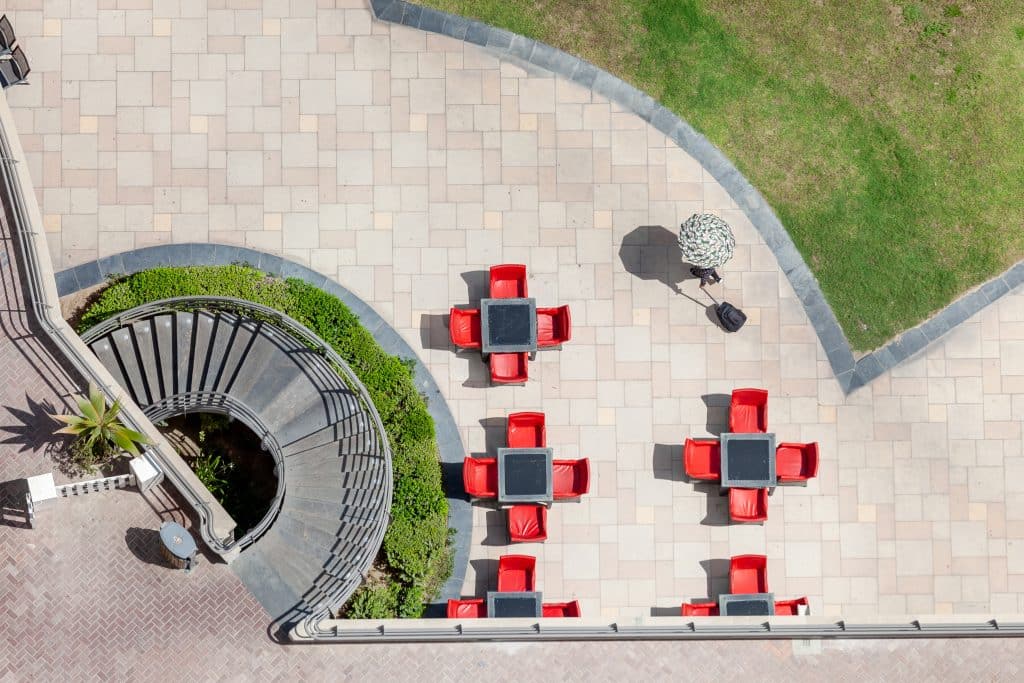
Herringbone, basket weave, and running bond are three of the most common paver patterns. Herringbone offers a strong visual texture and works well in high-traffic areas because of how the interlocking pieces distribute weight. Basket weave gives a classic, orderly look. Running bond is simple, clean, and works with almost any material.
Custom Layouts
Mixing shapes, colors, and sizes can create a more distinctive, custom look. This works especially well with natural stone, where irregular pieces can be arranged into a pattern that’s genuinely one of a kind.
Visual Impact
Texture, color, and spatial organization all affect how a patio reads visually, whether it feels formal or relaxed, expansive or cozy. A skilled installer can help you choose a pattern that makes the most of your space and complements your home.
Where You Live Matters: Material Considerations Across the Metro
Conditions aren’t identical everywhere in the Greater New Orleans area, and that’s worth factoring into your material decision.
Homes closer to the lake and river, including parts of Metairie, Kenner, Gretna, and River Ridge, tend to sit on lower ground with slower natural drainage. In those areas, drainage prep and material porosity deserve extra attention.
Homes further from the water, including areas around Covington, Mandeville, and Madisonville on the north shore, often sit on somewhat higher, better-draining ground. That doesn’t eliminate the humidity and rainfall factors, since those are regional, but it can mean less standing water risk.
Further out toward Hammond and LaPlace, and out to Baton Rouge, the same Louisiana climate factors apply: heat, humidity, and seasonal rain, with soil and drainage conditions that vary by property. Wherever you’re located across Southeast Louisiana, the right material for your patio depends on both the climate we all share and the specific ground your patio will sit on. A site visit is the most reliable way to know which combination will hold up best at your address.
Additional Tips for Making Your Decision
- Ask for physical samples. Photos and screens don’t show true color, texture, or finish. Seeing a sample outdoors in actual daylight gives a much better sense of how it will look on your patio.
- Talk to a local professional before you decide. A contractor who works in this climate regularly can tell you how a material has actually performed on other New Orleans area patios, not just how it performs on paper.
- Think ahead. If you might expand your patio or add a fire pit later, choosing a material and pattern that’s easy to match down the road can save you a redo.
Frequently Asked Questions
Do paver patios hold up well in Louisiana heat, humidity, and rain?
Yes, when the right material is matched to proper installation. Freeze thaw cracking, a major concern in colder states, isn’t a significant issue here. The bigger factors in this climate are UV exposure fading unsealed surfaces over time and humidity encouraging mold or algae growth on porous materials like natural stone. Choosing a well-sealed material and keeping up with cleaning addresses both.
How do I choose a paver material for New Orleans’ soil and drainage conditions?
Start with the ground, not just the material. New Orleans area soil is often low-lying and slow-draining, so proper grading and a well-built base matter as much as the paver itself. If your yard has drainage or leveling issues, that should be addressed before installation. Our team handles both land leveling and paver installation, so drainage prep and material choice can be planned together rather than treated as two separate problems.
How much does a paver patio cost?
Cost depends on the material, the patio size, the pattern, and site prep needs like grading or drainage work. As a general rule, concrete costs the least upfront, brick sits in the middle, and natural stone costs the most. For an accurate estimate based on your yard, the most reliable next step is a conversation with our team.
Choose the Right Paver Material for Your New Orleans Patio
The right paver material for your patio comes down to matching your style and budget to how that material actually performs in a Gulf Coast climate, heat, humidity, heavy rain, and all. Concrete, brick, and natural stone can all work beautifully here when they’re chosen thoughtfully and installed on a properly prepared base.
If you’re ready to talk through your options for a New Orleans area patio, from material selection to site prep to final installation, contact TurnKey Paver Patios or call 504-499-0624. We’ll help you choose a material that looks great and holds up to everything our climate brings.